Book Collection I Book Reading Log: Track What You Own
If your bookshelves tell a story, it might be one of happy chaos. That stack of paperbacks on the nightstand, the hardcovers on the shelf, and the digital titles on your tablet — they all build up fast. Whether you have fifty books or five thousand, keeping a simple, organised record of your collection makes a real difference. That is exactly what the Book Collection I Book Reading Log does. It is a Google Sheets template designed to help you catalogue what you own, what you have read, and what you plan to pick up next.
I have been using this tracker myself for over a year now, and it transformed how I think about my library. My own collection spans four decades, and this tool finally helped me see the full picture — the genres I gravitate toward, the authors I collect, and the surprising gaps I never noticed. It is practical, clean, and surprisingly satisfying to update.
What Makes This Reading Log Different
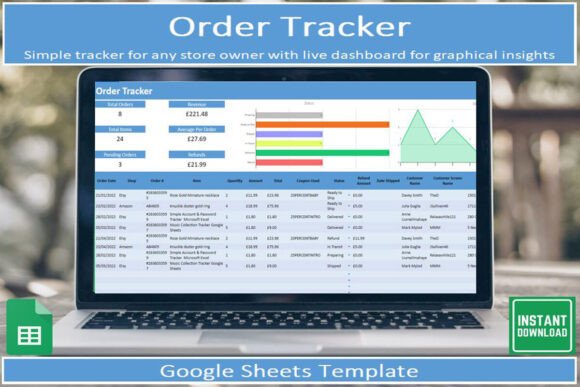
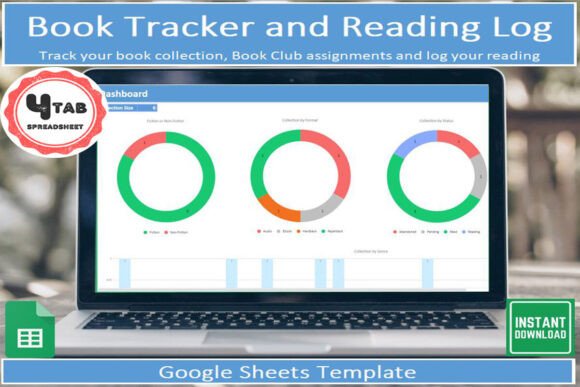
This is not a complicated app with a steep learning curve. It is a straightforward spreadsheet that lives in Google Sheets, which means you can access it on your phone, tablet, or computer. The template comes with a pre-laid-out table, dropdown lists for categories, and a collapsible Book Club section that disappears if you do not need it. You get a dashboard that automatically generates visual insights — charts and summaries that show your reading habits at a glance.
The visual style is minimal and functional. Columns are clearly labelled, and the dropdown menus speed up data entry so you spend less time typing and more time reading. The overall personality of the template is calm, organised, and flexible. It adapts to the way you read, not the other way around.
For anyone working in publishing, content creation, or book-related design, having a well-organised personal library is more than a hobby. It is a reference system. Knowing which titles you own, which editions, and which ones you have reviewed or referenced can save hours of searching. This template gives you that structure without the overhead of a full database system.
Built for Real Readers, Not Just Collectors
Yes, this template works beautifully for collectors who want to track every variant and edition. But it also serves the everyday reader who just wants to remember what they read last month. The Book Club section is a nice touch — it lets you track group selections, discussion dates, and notes. If you are not in a book club, one click hides that section entirely. That kind of thoughtful design keeps the interface clean and relevant to your current needs.
The dashboard is where the template really shines. It pulls from your data and creates simple, readable charts. You can see how many books you read per month, which genres dominate your shelf, and how your reading pace changes over time. For someone who writes book reviews or creates content around literature, these insights are gold.
Who Benefits Most from This Template
The target audience for this tool is wide, but certain groups will find it especially useful.
- Designers and creative professionals often work with reference materials. Tracking your design books, typography references, and visual inspiration titles in one place helps you find what you need fast. The clean spreadsheet layout mirrors the kind of organised thinking designers value.
- Marketers and brand strategists who read widely for research can use the template to tag books by topic, industry, or relevance to current projects. The filtering and sorting features make it easy to pull up a specific subset of your library when you need to reference a concept or case study.
- Publishers and editorial professionals will appreciate being able to track proofs, review copies, and published editions. The template accommodates details like publication year, publisher, and format, which are essential for professional reference.
- Bloggers and content creators who write about books can use the log to plan content, track reading progress, and note which titles they have reviewed. The dropdown lists help categorise books by status — read, currently reading, or to-read — so you always know what is coming next.
- Small business owners and hobbyists who simply want to organise their personal library will find the template approachable and quick to set up. There is no onboarding, no subscription, and no complex configuration.
Practical Features That Make a Difference
The template includes a table with all the columns most readers need: title, author, genre, format, reading status, rating, start date, finish date, and notes. You can add or remove columns easily if your workflow requires something different. The dropdown lists cover common genres and formats, but you can edit the lists to match your own categories.
Filtering and sorting are built into the Google Sheets framework. You can sort by author alphabetically, filter by genre, or search for a specific title. This might sound basic, but for a personal collection, it is often all you need. The template does not try to be a full library management system — it focuses on the essentials and executes them well.
The collapsible Book Club section is a clever addition. If you run a book club, you can track meeting dates, discussion questions, and member feedback. If you do not, the section hides cleanly, keeping your view focused on your own reading log. This modular approach makes the template feel customised even though it is a single download.
How the Dashboard Adds Value
The automated dashboard is not flashy, but it is useful. It generates visual summaries from your data without any extra work on your part. You get a quick sense of your reading trends: which months you read the most, which authors appear most often, and how your ratings distribute across genres. For someone who tracks their reading as part of a broader creative or professional practice, these insights can inform decisions about what to read next or what to write about.
I found the dashboard particularly helpful when I wanted to assess the balance of my collection. I noticed I was heavily weighted toward literary fiction and had almost no non-fiction in certain categories. That awareness changed how I approached my next book purchases. The template did not tell me what to read — it gave me a clear picture of what I already owned, and that was enough to shift my habits.
Setting It Up and Making It Yours
Getting started is simple. The download comes as a PDF with a link to the Google Sheets template. You need a free Google account to use it, which almost everyone already has. Once you open the template, you can immediately start adding your books. The instructions explain each column and how the dropdowns work. You can begin entering data in minutes, not hours.
For those who want to customise further, the template is your blank canvas. Add a column for edition, illustrator, or purchase price. Create a colour-coding system for genres. Build additional sheets for wish lists or loan tracking. Because it is built in Google Sheets, you have the full flexibility of a spreadsheet tool without any of the complexity of designing your own system from scratch.
If you use the Google Sheets app on your phone, you can update your log on the go. Add a book while you are standing in a bookstore. Mark a title as finished while you are on the train. This mobile accessibility is one of the practical reasons I keep using this template instead of a paper log.
Why This Template Works for Creative Professionals
As someone who works in design and publishing, I appreciate tools that respect my time. This template does not ask me to learn a new interface or remember a complex tagging system. It uses the familiar spreadsheet format and adds just enough structure to be helpful without being restrictive.
The visual aesthetic is clean and modern, which matters more than you might think. When I open the template, I do not feel like I am looking at a clunky database. I see a well-organised table with clear headings and consistent spacing. That might sound like a small thing, but when you are using a tool regularly, the visual experience affects how much you enjoy using it. A well-designed spreadsheet can feel almost meditative to update. A poorly designed one feels like paperwork.
For designers and brand strategists, the template also serves as a useful reference for how to present data cleanly. The layout principles here — clear hierarchy, consistent spacing, thoughtful use of dropdowns — are the same principles that guide good editorial and web design. Using this template is a small practice in organised thinking.
Practical Recommendations for Getting the Most Out of It
- Start small. Do not try to add every book you have ever owned on day one. Add your current reads and a few recent favourites first. Let the template grow with you.
- Use the notes column meaningfully. I jot down one line about why I liked or disliked a book. Six months later, those notes help me remember details I would otherwise forget.
- Review the dashboard monthly. The insights are only useful if you look at them. I check mine at the end of each month to see how my reading is trending.
- Customise the dropdowns to match your habits. If the default genre list does not include your niche, edit it. The template should reflect your reading life, not a generic standard.
- Use the Book Club section if you run one. Even a casual group can benefit from having discussion notes and reading schedules in one place.
A Tool That Grows With Your Collection
The Book Collection I Book Reading Log is not just a spreadsheet. It is a practical system for anyone who takes their reading seriously. Whether you are a designer curating reference materials, a publisher tracking review copies, a blogger planning content, or simply a person who loves books and wants to remember what you have read, this template offers a clean, functional way to do it.
After using it for over a year, I can say that the true value is not in the data entry — it is in the clarity that comes from having a complete picture of your collection. That clarity helps you make better decisions about what to read next, what to recommend to others, and how to nurture your relationship with books over the long term. And for a collection that spans decades, that kind of clarity is invaluable.