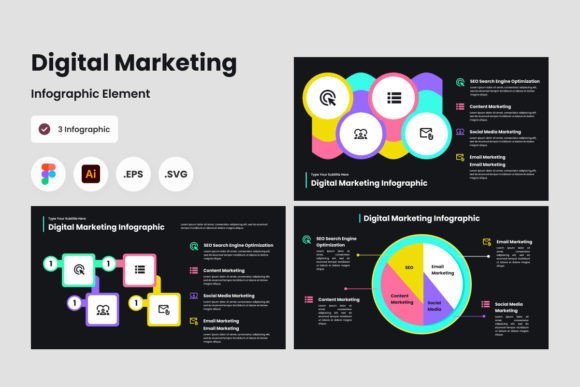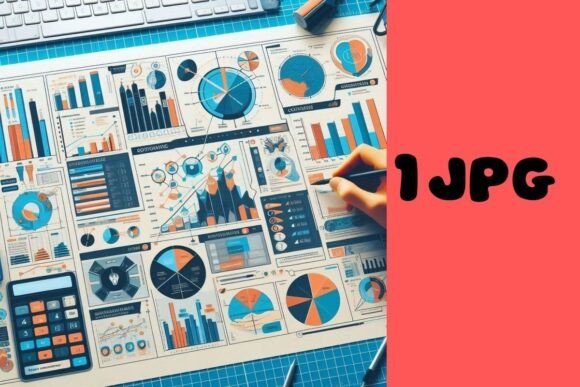
Infographic on Effective Marketing Strategies
Stop treating your marketing plan like a guessing game. A professionally designed infographic on effective marketing doesn’t just look polished—it gives you a replicable visual framework for turning abstract strategy into tangible results. It translates complex concepts like audience targeting, sales funnels, and SEO into a clear, quick-reference blueprint that every designer and marketer should have in their toolkit.
Why a Visual Guide Matters in Modern Design
In a world saturated with content, clarity commands attention. This infographic serves as both a strategic asset and a piece of visual design inspiration. It demonstrates how to distill dense information—such as lead generation tactics or brand identity guidelines—into an easily digestible format. For graphic designers, understanding how to structure this information is essential for creating marketing collateral that actually converts, from social media graphics to full-scale advertising campaigns.
Beyond pure aesthetics, the guide reinforces the fundamentals of brand identity. It shows how consistent use of typography, a cohesive color palette, and a logical visual hierarchy build trust and recognition. When you align your design workflow with these principles, your creative assets don’t just look good; they communicate purpose.
Core Principles Embedded in the Guide
- Visual Hierarchy: Directs the viewer’s eye to the most critical data first, a skill essential for high-conversion landing pages and editorial design.
- Color Psychology: Leverages specific palettes to trigger emotional responses, directly impacting branding and packaging design.
- Consistency: Ensures your modern aesthetics remain unified across web design, print design, and digital products, strengthening overall brand recall.
Practical Applications Across Your Creative Projects
The true value of this infographic lies in its versatility. Whether you are a freelance graphic designer or leading a creative team, the strategies outlined can be applied to nearly every deliverable you produce. It bridges the gap between high-level marketing theory and the actual assets you build every day.
From Social Media to UI/UX Design
For digital marketing, the infographic offers a clear roadmap for creating social media graphics that stop the scroll. It emphasizes the importance of typography and composition to maintain readability on small screens. In UI and UX design, its structured approach to guiding a user from awareness to action mirrors the ideal digital journey, helping you craft interfaces that reduce friction and drive engagement.
Elevating Branding and Packaging
When working on logo design or packaging design, reference the guide’s insights on audience targeting. The same visual cues that help an infographic communicate effectively—contrast, scale, and color—help a product stand out on a crowded shelf. By applying these design trends to your creative projects, you ensure that your work is not only beautiful but strategically sound.
Actionable Tips for Integrating the Framework
To get the most out of this asset, treat it as a pre-flight checklist for your next campaign. Before you open your design software, ask yourself how the guide’s principles apply to your specific brief. Does your color palette align with the emotional triggers outlined? Does your typography choice reflect the brand voice you are building? By filtering your decisions through this visual guide, you transform your workflow from purely reactive to proactively strategic.
Using the Guide for Client Pitches
Beyond internal use, this infographic is a powerful tool for professional presentations. When you present a campaign to a client, referencing a data-backed visual framework immediately establishes authority. It helps non-design stakeholders understand why a specific composition or layout will perform better, making it easier to get approval on complex creative projects without endless revisions.
Ultimately, an infographic on effective marketing does more than just educate—it empowers you to build a cohesive visual system. It reminds us that great design is never random. By integrating the structured insights from this guide into your design workflow, you ensure every pixel, color, and line of type works harmoniously toward a singular goal: measurable, lasting brand success.